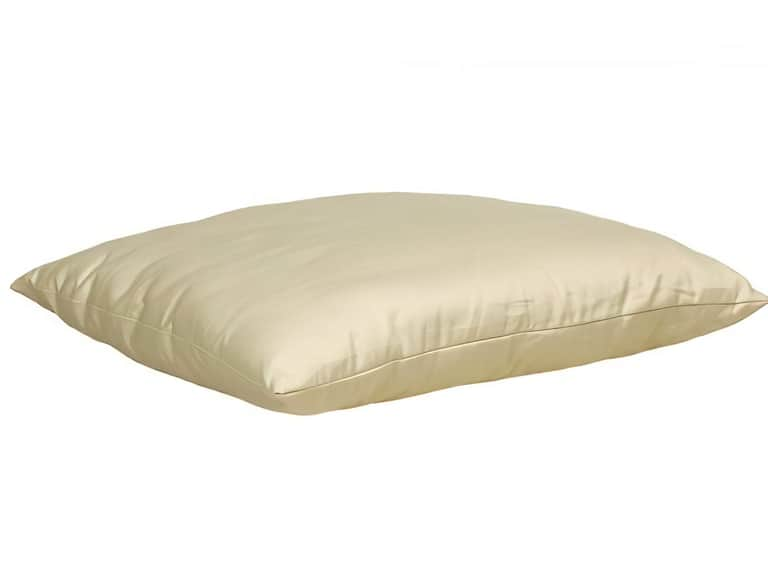
Wool bedding is valued for its natural ability to help manage warmth and moisture during sleep. Wool fibers can absorb water vapor while remaining comfortable against the body, supporting a balanced sleep environment across changing seasons. These characteristics make wool a useful material to consider alongside pillows, sheets, duvet covers, and organic mattresses.
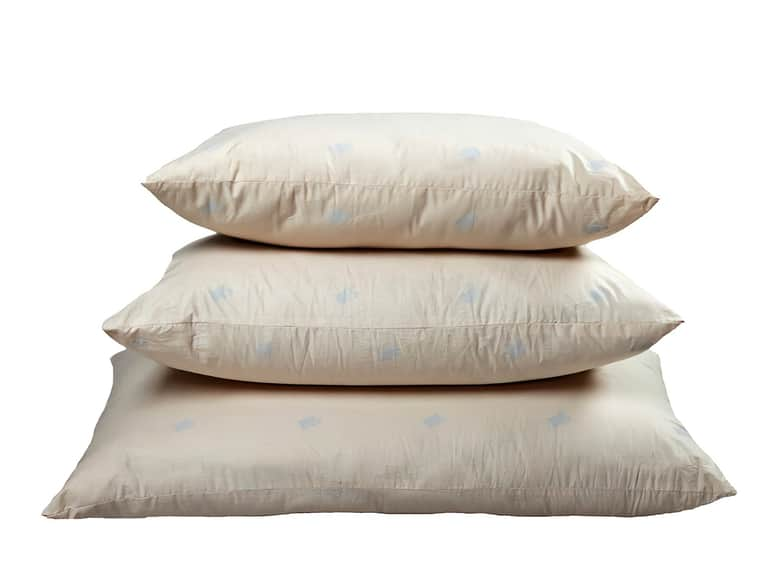
Wool pillows use resilient fibers to provide cushioning and support for the head and neck. Their structure can encourage airflow and help reduce heat buildup compared with less breathable fills. As with any pillow, comfort depends on sleeping position, personal preference, and the pillow’s loft, firmness, and fill construction.
The Sleep and Beyond myWool Pillow features wool fill intended to provide natural cushioning and breathable support. Wool’s moisture-managing properties may help maintain a drier-feeling sleep surface, while its loft contributes to head and neck positioning. Understanding fill and pillow dimensions can help determine whether this style suits an individual’s sleep habits.
The Sleep and Beyond MyMerino Organic Wool Pillow is made with Merino wool, a fine fiber known for softness and flexibility. Its wool fill offers cushioning while supporting airflow and moisture management. The organic material designation is relevant to people comparing fiber sourcing and construction across bedding, pillows, and other bedroom products.
When evaluating wool bedding, consider material composition, care instructions, construction, and the support level needed for comfortable sleep. Wool pillows can complement sheets and duvet covers as part of a breathable bedding setup, while organic mattresses provide a separate foundation. Together, these details help clarify how natural fibers function within a bedroom environment.
 Bedding