Latex bedding lies at the intersection of comfort, durability, and breathability, offering a resilient core that supports consistent spinal alignment. Natural latex responds to body heat and weight distribution, adapting to sleeping positions while maintaining a responsive yet buoyant surface. This material is inherently resistant to dust mites and mold, contributing to a healthier sleep environment with low maintenance care.
Natural latex typically originates from rubber trees and is processed to create a uniform, open-cell structure that promotes airflow. This porosity helps regulate temperature and reduce nocturnal heat buildup, making latex a suitable choice for year-round comfort. When paired with breathable fabrics such as organic cotton or linen, it enhances overall sleep quality and tactile freshness.
In bedding systems, latex can be layered with other materials to balance contouring with support. A latex core or latex-infused comfort layer provides gentle, persistent cushioning that relieves pressure points along hips, shoulders, and back. For stacks involving pillows and toppers, latex can maintain loft and shape over time, contributing to long-term usability.
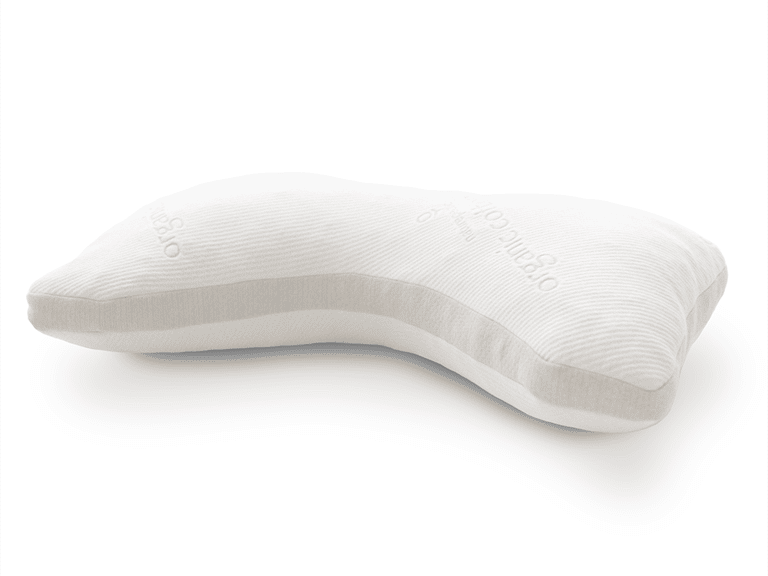
Among related products, the Naturepedic Organic Side Sleeper Pillow exemplifies how latex-inspired support concepts can evolve into ergonomic design. This pillow emphasizes side-sleep alignment, a key factor in reducing neck strain, while using organic materials and natural fibers to minimize exposure to irritants and enhance skin-friendly comfort.
Understanding latex in bedding also involves recognizing its compatibility with other essentials like organic mattresses, sheets, duvet covers, and pillows. When combined with quality amorphous fillings and a well-fitted pillow arrangement, latex-based sleep systems support restful, restorative nights and promote sustainable, hypoallergenic use across standard bedding configurations.
 Bedding