 Mattresses
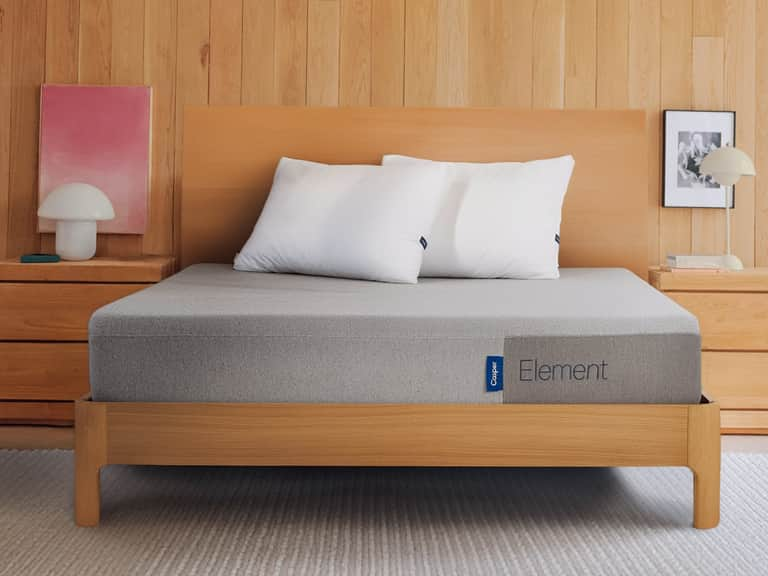
Element Mattress
Sleep cooler with an airflow-friendly foam top and enjoy a responsive, gently bouncy feel that makes it easier to move and less likely to leave you feeling stuck.
Foam mattresses use resilient cushioning materials to distribute body weight and support comfortable sleep. Their layered construction can include different foam densities and firmness levels, influencing how a mattress responds to pressure and movement. Understanding these characteristics helps compare foam mattresses with other organic mattresses and identify suitable bedding for individual sleep preferences.
The Element Mattress is a foam mattress option within this category. Its purpose is to provide a cushioned sleep surface, while its suitability depends on factors such as preferred firmness, sleeping position, and desired pressure relief. Reviewing the product’s specifications can clarify its construction and help determine how it may fit a particular bedroom setup.
Foam mattress performance varies with material type, thickness, and density. These features affect contouring, support, motion transfer, and how quickly the surface responds when a sleeper changes position. A stable foundation and appropriate mattress dimensions also matter, helping the mattress function as intended alongside sheets, pillows, and other bedding.
When evaluating an Element Mattress or another foam mattress, consider sleeping posture, body weight, temperature preferences, and any need for easier movement across the surface. Product details about foam layers and care requirements provide useful context. Mattress protectors and breathable sheets can also contribute to a comfortable, practical sleep environment.
Foam mattresses form one part of a coordinated bedding system that may include pillows, sheets, and duvet covers. Selecting compatible sizes and considering fabric breathability can support everyday comfort and upkeep. For people comparing organic mattresses, checking verified material and certification information is important, since foam construction alone does not establish organic content.
Mattresses